
10 Proven Ways to Save Money Fast & Build Wealth
Most people believe building wealth is a matter of earning more. The truth is, it starts with keeping more of what you already have. Whether you're living paycheck to paycheck or already earning well, these ten strategies will reshape how money moves in your life.
This isn't about deprivation — it's about intention. The difference between those who accumulate wealth and those who don't isn't income. It's the daily decisions that compound over time into financial freedom.

The 10 Strategies
Track Every Dollar You Spend
You cannot manage what you don't measure. The first — and arguably most important — step toward financial health is developing an intimate awareness of where your money goes each month. Use apps like Mint, YNAB (You Need A Budget), or even a simple spreadsheet to log every transaction, from your morning coffee to your monthly subscriptions. Most people are genuinely shocked when they see their spending broken down. That shock is valuable: it's the moment awareness becomes action. Review your spending weekly at first, then monthly once it becomes a habit. Look for patterns, not just individual purchases.
Create a Monthly Budget That Respects Reality
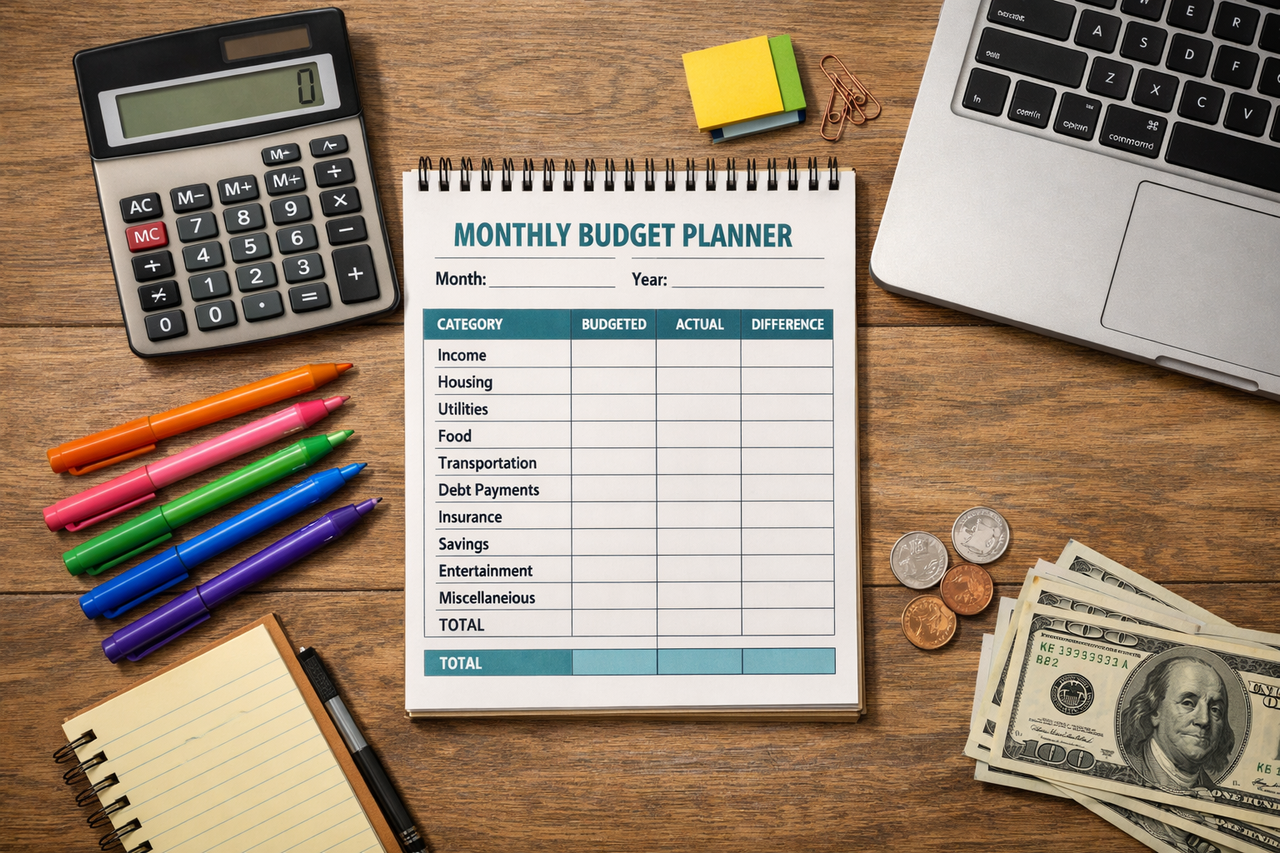
A budget is simply a plan for your money — yet fewer than one in three adults maintains one. The most effective frameworks, like the 50/30/20 rule, allocate 50% of income to essentials (rent, food, utilities), 30% to wants (dining out, entertainment), and 20% directly into savings or debt repayment. The key word is "realistic." Budgets fail not because people lack discipline, but because they're set too aggressively from the start. Begin with honesty, not aspiration — then tighten gradually as new habits form. Revisit and revise your budget each month.
Audit & Slash Your Subscriptions
The average household pays for 4 to 6 streaming services at any given time — and regularly forgets half of them. Subscriptions are financial phantoms: small enough to escape notice, but collectively draining hundreds annually. Conduct a subscription audit once a quarter. Open your bank statements and highlight every recurring charge. Ask yourself: "Did I use this at least four times this month?" If not, cancel without hesitation. You can always resubscribe when you genuinely need it. Services like Rocket Money or Truebill can automate this process for you, identifying and canceling unused subscriptions on your behalf.
Meal Plan and Cook at Home
The average American spends over $3,000 per year eating out — roughly $250 per month. Cooking at home doesn't just save money; it typically results in healthier meals, less food waste, and a stronger sense of routine. The secret to making it sustainable is weekly meal planning. Each Sunday, decide your meals for the week, write a precise grocery list, and stick to it. Cook in batches when possible. Prepare work lunches the night before. Even cooking at home three or four nights per week — rather than every night — can save $100 to $150 monthly without significant lifestyle sacrifice.
Leverage Cash-Back & Rewards Programs
If you're spending money anyway, you might as well earn something back. Cash-back credit cards — when used responsibly and paid in full each month — can return 1.5% to 5% on everyday purchases like groceries, gas, and dining. Combine this with browser extensions like Honey or Rakuten, which automatically apply coupon codes and offer cash-back on online purchases. The golden rule: never carry a balance. Interest charges will instantly wipe out any rewards gained. Used correctly, a good rewards card can return $300 to $600 per year in cash or travel credits on spending you'd be making regardless.
Reduce Your Utility Bills Strategically
Energy costs are one of the most underestimated household expenses. The good news: they're also one of the most controllable. Start with a smart thermostat (like Nest or Ecobee), which can reduce heating and cooling bills by 10–15% annually. Switch to LED bulbs if you haven't already — they use up to 80% less energy than incandescent bulbs. Unplug devices that draw standby power (TVs, chargers, gaming consoles). Wash clothes in cold water. These aren't dramatic lifestyle changes, but together they can save $500 to $1,200 per year on energy alone — money that flows directly into your savings.
Defeat Impulse Buying with the 48-Hour Rule
Impulse purchases are the silent killer of savings plans. Retailers spend billions designing shopping experiences — physical and digital — engineered to bypass your rational mind and trigger immediate desire. Your best defense is time. Implement a 48-hour rule for any non-essential purchase over $30: add it to a wishlist or note it down, then wait two days before buying. In most cases, the urge evaporates. For larger purchases ($200+), extend the window to a full week. This one habit, practiced consistently, can save the average person $1,000 to $2,000 annually — money spent on things they would have forgotten about within a month.
Automate Your Savings — Pay Yourself First
Willpower is finite. The most reliable way to save consistently isn't discipline — it's automation. Set up an automatic transfer from your checking account to a dedicated savings account on the same day your paycheck arrives. Treat this transfer like a non-negotiable bill. When savings move before you can spend them, you adapt your lifestyle to what remains. Open a high-yield savings account (currently offering 4–5% APY at many online banks) so your money earns while it waits. Start with whatever you can — even $50 per paycheck — and increase the amount by 1% every time you get a raise or reduce an expense.
Sell What You No Longer Need
The average household contains $1,000–$2,500 worth of unused items that could be converted into immediate cash. Clothes, electronics, furniture, sports equipment, books, tools — the list is longer than most people realize. Platforms like eBay, Facebook Marketplace, Poshmark, Craigslist, and Decluttr make the process straightforward. Spend one weekend per season doing a full home audit and listing everything you haven't used in 12 months. Beyond the cash, decluttering creates mental clarity — and it makes you more deliberate about future purchases, because you'll remember the effort it took to sell what you once bought impulsively.
Invest Consistently and Let Compound Growth Work
Saving is the foundation; investing is the engine. Once you've built an emergency fund covering 3–6 months of expenses, every additional dollar saved should be put to work. Maximize contributions to tax-advantaged accounts first — 401(k) (especially to the employer match), Roth IRA, or HSA. Then consider low-cost index funds through platforms like Vanguard, Fidelity, or Schwab. You don't need to time the market or pick individual stocks. Consistent, monthly investing into diversified index funds — a strategy called dollar-cost averaging — has historically outperformed nearly every active strategy over the long run. Time in the market beats timing the market, always.

Do not save what is left after spending; instead, spend what is left after saving. - Warren Buffett
Final Thoughts
Financial Freedom Begins with a Single Decision
None of these ten strategies require a high income, a finance degree, or extraordinary willpower. They require only one thing: a decision to start. Not a perfect plan — just a beginning.
The compounding effect is real. Small, consistent choices made today turn into significant wealth over years and decades. The person who saves $200 per month starting at age 25 and invests it in a diversified index fund will, by age 65, have accumulated over $500,000 — without ever earning an extraordinary income.
Your financial future isn't written yet. But it's written by the choices you make starting today.
Start Your Journey Today
Discussion (0)
Leave a Reply
No comments yet. Be the first to share your thoughts!