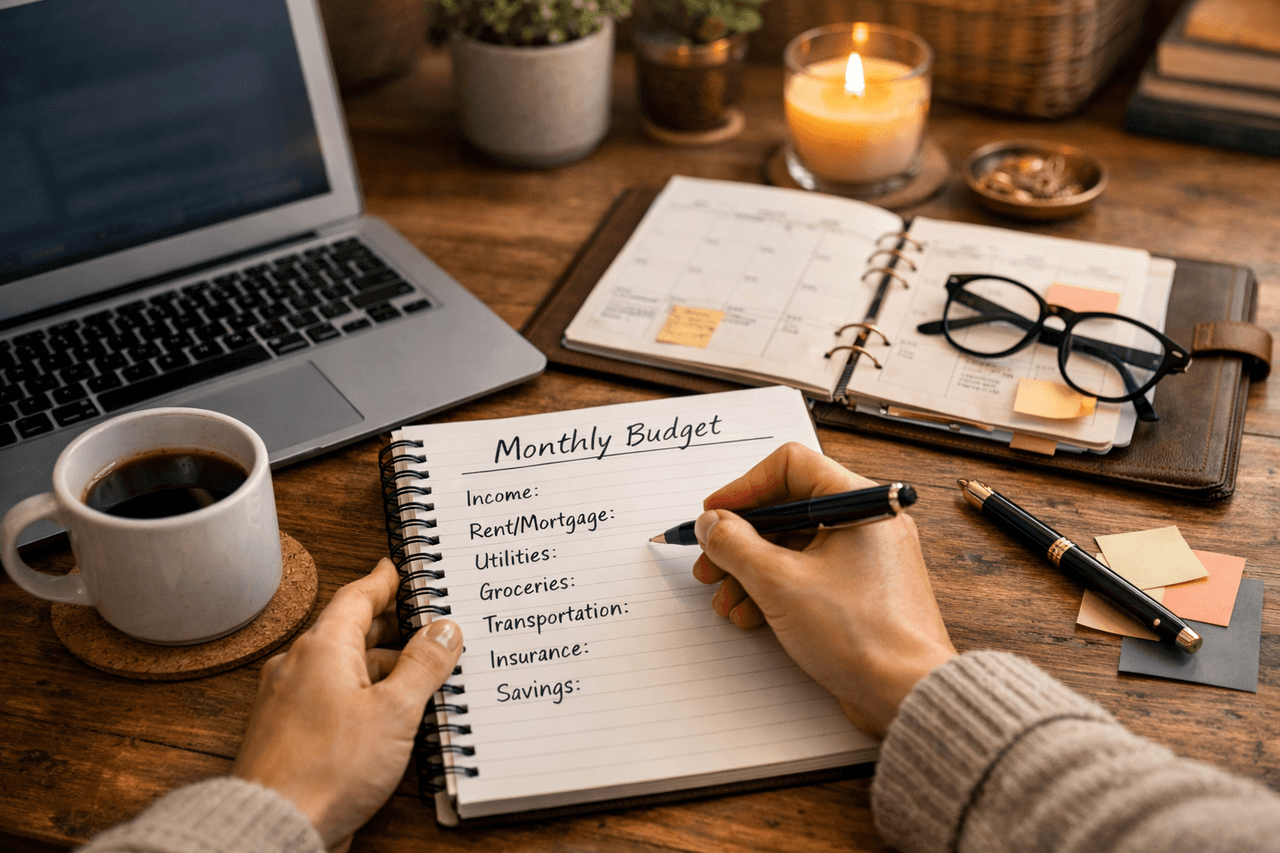
Let's be honest — the word "budgeting" doesn't exactly spark excitement. For many of us, it conjures images of spreadsheets, deprivation, and saying no to anything fun. But here's the thing: a budget isn't a cage. It's a roadmap. It's the difference between drifting through your finances and actually steering toward the life you want. Whether you're trying to dig out of debt, build an emergency fund, or finally take that trip you've been putting off for years, these eight tips will help you get there — one month at a time.
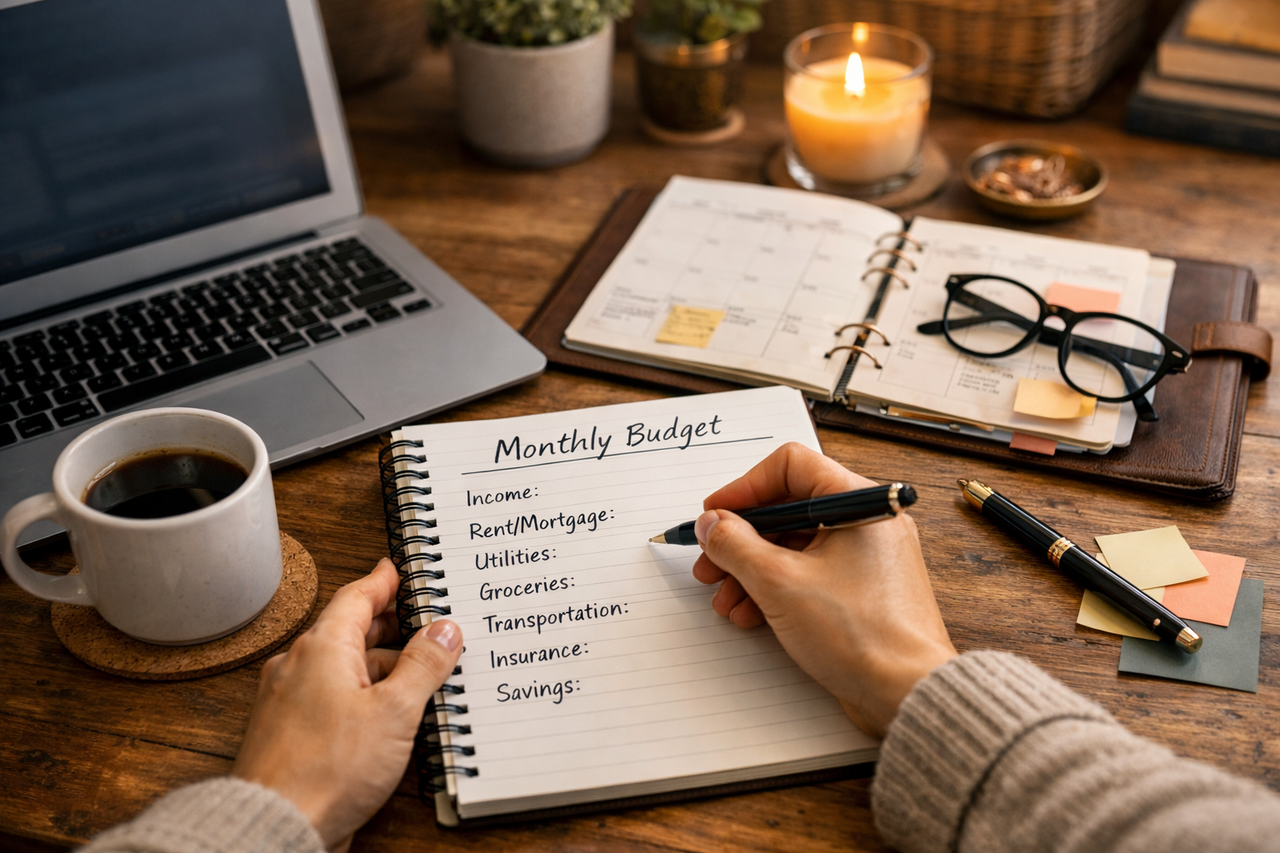
Track Every Expense — Because Awareness Is Everything
Most people are genuinely shocked when they sit down and tally up what they spend in a month. That daily coffee, the spontaneous online purchase, the forgotten subscription — it all adds up faster than you'd think. The first step to changing your financial picture is simply knowing where your money is actually going. Use a budgeting app like YNAB, Mint, or even a simple spreadsheet. Review your transactions weekly. No judgment — just awareness. Once you can see your spending habits clearly, you gain the power to change them.
Set Goals That Actually Mean Something to You
Vague goals like "save more money" don't work. What does work is attaching your savings to something real — a vacation you've been dreaming about, paying off your credit card, building a six-month emergency fund, or eventually buying a home. Break it down: short-term goals (under a year), mid-term goals (one to five years), and long-term goals (retirement, legacy). When your budget is tied to something you genuinely care about, sticking to it doesn't feel like sacrifice — it feels like progress.
Try the 50/30/20 Rule — A Simple Framework That Works
If the idea of budgeting feels overwhelming, this rule is your best friend. Here's how it works: allocate 50% of your take-home income to needs (rent, groceries, utilities, transportation), 30% to wants (dining out, entertainment, hobbies), and the remaining 20% directly into savings or debt repayment. It's not rigid — if you're in a high cost-of-living city, your needs bucket might be closer to 60%, and that's okay. The point is to give every dollar a purpose, so nothing slips through the cracks.
Automate Your Savings So You Never Have to Think About It
Here's the truth: willpower is unreliable. If you wait until the end of the month to save whatever's left over, there usually won't be anything left. The smarter move? Set up an automatic transfer to your savings account the moment your paycheck hits. Treat it like a bill you have to pay — because in a way, you're paying your future self. Even starting with a small amount, like $50 or $100 a month, builds momentum. You'll adjust your lifestyle to what's left, and your savings will grow quietly in the background.
Slash Your Grocery Bill Without Sacrificing Good Food
Groceries are one of the biggest variable expenses in most households, and also one of the easiest to bring under control. Start by meal planning for the week before you shop — it eliminates the "what do I make tonight?" scramble and keeps impulse buys in check. Write a shopping list and stick to it. Buy in bulk for pantry staples. Shop seasonally, and don't overlook store-brand products — they're often made by the same manufacturers as name brands, just with a different label. Little changes here can save you hundreds per year.
Cook More at Home — Your Wallet (and Your Health) Will Thank You
Eating out is one of the sneakiest budget busters. A single restaurant meal for two can easily cost what you'd spend on groceries for an entire week. That's not to say you should never enjoy a meal out — treating yourself matters — but making it intentional rather than habitual is the key. Start by cooking four or five dinners at home per week and batch cooking on weekends. Leftovers become tomorrow's lunch. You'll spend less, eat healthier, and you might even discover you enjoy cooking more than you expected.
Audit Your Subscriptions — You're Probably Paying for Things You've Forgotten
Take five minutes right now and look at your bank and credit card statements. Scroll through and highlight every recurring charge. Streaming services, gym memberships, software tools, meal kit boxes, magazine subscriptions — you may be surprised how many you've forgotten about. Ask yourself honestly: have I used this in the last month? If the answer is no, cancel it. There are also apps like Rocket Money or Truebill that will do this audit for you automatically. Cutting even two or three unused subscriptions could free up $30–$60 a month.
Review and Adjust Your Budget Every Single Month
Your budget is not a "set it and forget it" document. Life changes — expenses shift, income fluctuates, goals evolve. Spend a few minutes at the end of each month reviewing how you did. Did you overspend in any category? Did you hit your savings target? Celebrate the wins, and don't beat yourself up over the misses. The goal is steady improvement, not perfection. A budget that gets reviewed and adjusted regularly is infinitely more powerful than a perfect budget that never gets looked at again.
Final Thoughts
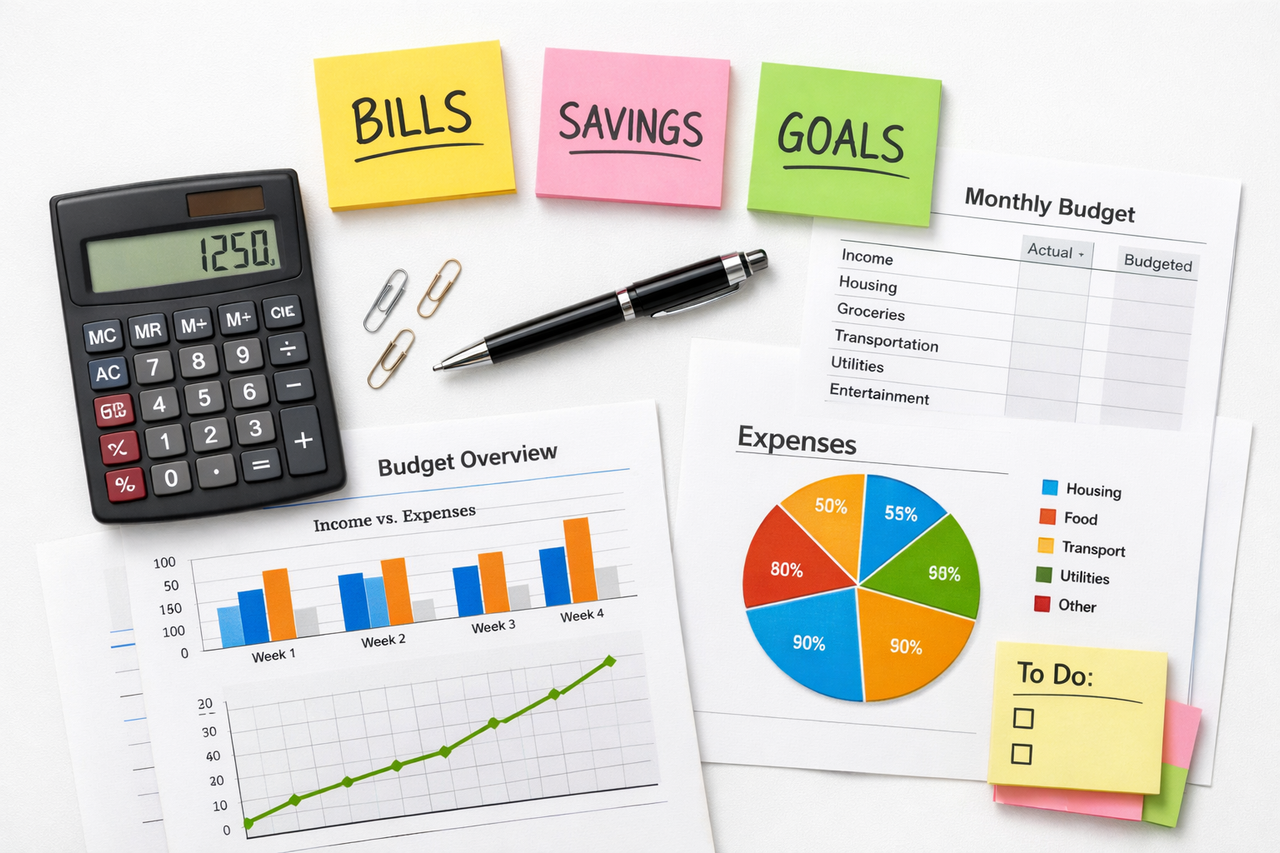
Budgeting isn't about restriction — it's about intention. It's about deciding ahead of time what matters to you, and making sure your money reflects those priorities. It doesn't have to be complicated, and it doesn't have to be perfect. Start with one or two of these tips, build momentum, and add more as you go. Small, consistent changes compound into big results over time. Your future self will be grateful you started today.
Do not save what is left after spending, but spend what is left after saving. — Warren Buffett
Discussion (0)
Leave a Reply
No comments yet. Be the first to share your thoughts!